

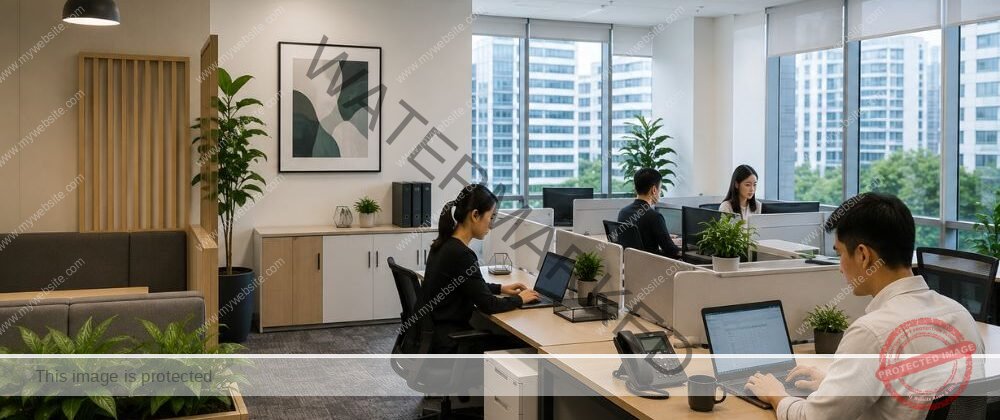
Refreshing Workspaces Without Stopping Daily Operations
Most businesses cannot afford to close their doors for painting. Offices need to keep staff productive, retail spaces must stay open for customers, and warehouses continue to move goods on tight schedules. The real challenge is refreshing walls, ceilings and high-traffic areas while daily operations carry on with as little interruption as possible.
In Singapore’s humid climate, paint performance, drying times and odour levels are important considerations. Choosing the right sequence, materials and working hours makes it possible to complete commercial painting projects efficiently without forcing a full stop to business activities.
Here is a detailed look at how professional commercial painting is planned and carried out so that workplaces can keep running.
Phased Work That Fits Around Daily Operations
Phased painting divides the project into clear, manageable sections. Instead of attempting to paint the entire premises at once, the work is organised by floor, wing, department or group of rooms. One area is completed and returned to use before the next section begins.
This method works for larger offices and multi-level buildings. Staff can be temporarily relocated within the same premises if needed, and the newly painted zones can be reoccupied as soon as they are ready. The sequence is usually planned in discussion with facility managers or department heads so that critical areas are handled at the least disruptive times.
Clear communication is essential. When teams know in advance which areas will be affected and for how long, they can adjust meeting locations, storage, and daily routines accordingly. A well-planned phased approach often allows a significant portion of the business to continue operating normally throughout the project.
After-Hours and Weekend Scheduling
Many commercial projects are deliberately scheduled outside core business hours. Painting takes place in the evenings, overnight or over weekends when staff and customers are not present.
This option is especially popular for retail outlets, clinics, showrooms and offices that need to remain fully operational during the day. The painting team arrives after closing, completes the planned section, and ensures the space is clean and ready for reopening the next morning. In some cases, work continues across consecutive nights until the project is finished.
Success depends on realistic planning. The scope of each night’s work must fit the available time, drying requirements must be respected, and proper protection and cleaning must be completed before the premises reopen. When these elements are managed carefully, after-hours painting delivers a refreshed appearance with almost no impact on daytime operations.
Low-Odour Paints for Occupied and Quickly Reopened Spaces
Traditional paints can leave strong smells that linger and affect comfort for staff or customers. Modern low-odour and low-VOC formulations significantly reduce this problem.
These paints are particularly useful when work is carried out near occupied areas or when the premises must reopen within a short time. They allow people to return to the space sooner and create a more comfortable environment both during and after the project. In Singapore’s often sealed and air-conditioned commercial interiors, lower odour levels make a noticeable difference to indoor air quality and occupant comfort.
Low-odour systems are now available in finishes that also offer good durability and washability, so there is no need to choose between comfort and performance. For businesses that remain partially occupied during the work, these products are often the preferred choice.
Durability Requirements for High-Traffic Commercial Areas
Commercial spaces experience far more wear than residential interiors. Corridors, lift lobbies, meeting rooms, reception areas, retail floors and warehouse zones face constant contact, scuffing, trolley movement and frequent cleaning.
Paints selected for these areas need strong washability, good abrasion resistance and the ability to withstand regular maintenance without breaking down. A finish that looks acceptable on day one but marks easily or becomes difficult to clean will require more frequent touch-ups and will not represent good long-term value.
Different zones within the same building often need different performance levels. A quiet meeting room can use a standard durable finish, while a main corridor or retail sales floor benefits from a higher-specification system. Matching the paint performance to the actual level of traffic in each area helps the surfaces stay presentable for longer and reduces ongoing maintenance.
How Requirements Differ Across Retail, Office and Warehouse Spaces
Offices
The priority is usually a clean, professional appearance combined with minimal disruption to staff. Low-odour systems, phased work and careful protection of furniture, computers and documents are essential. Reception areas and meeting rooms often receive extra attention because they form the first impression for visitors. Scheduling is typically arranged around core working hours or key meeting periods.
Retail
Speed and visual impact matter strongly. Most work is scheduled after closing hours so the store can reopen on time with a fresh, inviting appearance. Surfaces must withstand customer traffic and frequent cleaning. The finished result needs to look sharp under retail lighting, and the space must be completely clear of painting materials and odours by opening time.
Warehouses and Industrial Areas
Practicality comes first. Surfaces may need higher resistance to scuffing, dust, forklift activity, and industrial cleaning regimes. Access and safety considerations during the work are more significant. Scheduling often works around operational shifts, quieter periods, or planned downtime. Appearance is still important, but durability and the ability to keep operations moving take precedence.
Understanding these differences allows the painting plan, material selection, and working hours to be matched accurately to the type of workspace.
Planning a Smooth Commercial Project from Start to Finish
Successful commercial painting rests on clear planning. A proper site assessment identifies the layout, surface conditions, operational constraints, protection requirements, and the most practical sequence of work. Discussions with facility managers or operations teams ensure that the proposed schedule fits around existing business needs.
The plan typically covers:
- Which areas will be painted in which order
- Whether work will take place during the day, after hours or over weekends
- The paint systems best suited to each zone
- How furniture, equipment and flooring will be protected
- Realistic timing for each phase, including drying and cleaning
When phased work, after-hours options, low-odour paints and durable systems are combined thoughtfully, workspaces can be refreshed with far less impact on daily operations than many businesses expect.
At Decraftsmen Company, we handle commercial retail, office, and industrial painting projects with a clear focus on minimizing disruption. We assess the premises carefully, plan the sequence around your operational requirements, select appropriate low-odour and durable systems, and coordinate the work so that businesses can remain operational. If you are considering a refresh for your workplace, we are happy to discuss a practical approach tailored to your schedule and premises.
Frequently Asked Questions
Can painting really be done without stopping daily operations?
Yes. Phased work and after-hours scheduling are standard approaches that allow most businesses to continue operating while painting progresses in selected areas.
Are low-odour paints effective enough for commercial use?
Modern low-odour and low-VOC paint systems perform well for most commercial interiors. They significantly improve the aesthetic comfort when work takes place near occupied spaces or when premises must reopen quickly.
How is high-traffic durability achieved?
By selecting finishes with strong washability and abrasion resistance suited to the actual level of use in each area, such as main corridors, lift lobbies or retail floors.
What is the typical approach for retail spaces?
Work is most often scheduled after closing hours so the premises can reopen on time the next day with a clean, fresh appearance and no remaining painting materials or strong odours.
How does warehouse painting differ from office painting?
Warehouse painting usually prioritises practical durability, safety during the works, and scheduling around operational shifts. Offices focus more on appearance, low odour, and minimal disruption to staff.
How long does a commercial painting project usually take?
It depends on the size of the premises, the amount of surface preparation required, and whether the work is phased or carried out after hours. A clear timeline is established after the site assessment.
Do you work around existing furniture and equipment?
Yes. Proper protection and careful sequencing are part of the planning process so that disruption to the workspace is kept as low as possible.
What is the first step for a commercial painting project?
A site visit to understand the layout, operational constraints, surface conditions, and preferred working hours. This allows a realistic plan and transparent quotation to be prepared.