

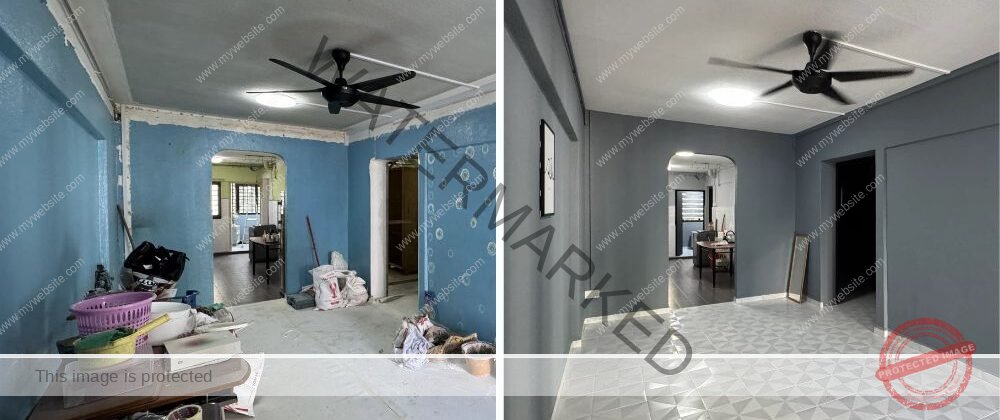
Common Renovation Mistakes That End Up Costing More Than Expected
Renovations have a funny way of going over budget, even when you think you’ve planned for everything. Most people blame bad luck or unexpected building issues, and sometimes that’s fair, but honestly a lot of the extra cost comes from mistakes that could’ve been avoided with a bit more planning upfront. Some of it even comes down to smaller decisions, like rushing into house painting services without really thinking through the finish or prep work first.
Here’s a look at some of the more common mistakes that tend to push renovation costs higher than expected.
Underestimating Prep Work
Skipping Proper Surface Preparation
A lot of people focus almost entirely on the finished look and forget that prep work is what actually determines how long that finish lasts. Walls that aren’t cleaned, sanded, or patched properly before painting or finishing often need redoing sooner than expected, which means paying for the same job twice.
Not Accounting for Hidden Damage
Older properties especially tend to have issues hiding behind walls or under flooring that only show up once work has already started. Things like damp patches, cracked plaster, or outdated wiring can add cost quickly if there’s no buffer built into the budget for it.
Choosing Materials Based on Price Alone
Cheaper Isn’t Always Cheaper Long Term
It’s tempting to go with the lowest quote or the cheapest materials, but this often backfires. Lower grade paint, for example, tends to fade or chip faster, especially with exterior house painting, where the surface deals with weather, humidity, and direct sun a lot more than interior walls do.
Not Matching Materials to the Environment
Singapore’s climate is humid most of the year, and materials that aren’t suited for that end up wearing down faster than expected. This applies to paint, flooring, and even certain types of fittings. Choosing based purely on upfront cost without factoring in the local climate almost always ends up costing more down the line.
Poor Planning Around Timelines
Rushing the Process
Trying to compress a renovation timeline to save money on labour often backfires. Rushed work tends to have more mistakes, and mistakes usually mean redoing sections that weren’t done properly the first time.
Not Building in a Contingency Buffer
Most renovation budgets don’t leave room for the unexpected, and there’s almost always something unexpected. A general rule some contractors suggest is keeping ten to fifteen percent of the budget aside just for surprises, since something usually comes up partway through.
Overlooking Commercial Specific Needs
For business owners, some of these mistakes look a bit different. Commercial spaces often have different requirements around durability, safety standards, and how long a business can afford to be closed during work. This is part of why commercial painting services often involve more planning around scheduling and materials that can handle higher foot traffic or more frequent cleaning, compared to a typical residential job.
Not Getting Enough Quotes or Detail Upfront
A lot of people go with the first quote they get, or accept a vague estimate without asking what’s actually included. This often leads to extra charges partway through, once it becomes clear that certain things weren’t part of the original scope. Getting a few quotes and asking specifically what’s covered in each one tends to save a fair bit of money and confusion later.
Ignoring Long Term Maintenance
Renovations aren’t just about the immediate look; they should hold up over time too. Choosing finishes or materials without thinking about how they’ll be maintained later often means paying for touch-ups or repairs sooner than expected. A slightly higher upfront cost for something more durable usually works out cheaper over a few years.
Wrapping It Up
Most renovation budgets don’t blow out because of one big mistake, it’s usually a mix of smaller decisions that add up over time. Rushing timelines, choosing materials purely on price, skipping proper prep work, these all seem minor on their own but tend to snowball once the work is actually underway.
Planning a bit more carefully from the start, and working with people who understand the local climate and building conditions, tends to make a real difference in avoiding these costs. Decraftsmen Company Pte Ltd works with homeowners and businesses across Singapore on exactly these kinds of projects, helping avoid the common pitfalls that end up costing more than expected.