

The difference between good and great workmanship in home renovation
“Anyone can paint a house. But not everyone can paint it properly,” A contractor said that to me once, halfway through explaining why his quote was higher than the others. At the time it sounded like a sales line. It wasn’t.
Most homeowners can’t tell good work from great work the day a renovation finishes. Everything looks finished, the paint’s dry, the floor’s laid, the surfaces are clean. The issues only show up later, sometimes years later, and by then the people who did the work are long gone.
What good work actually looks like
Good workmanship isn’t a low bar. It means the job was done correctly, to spec, without shortcuts that would cause obvious problems. A good painter gets even coverage and clean lines. A good craftsman gets boards that sit flat and seams that don’t gap. Nothing’s wrong with it. It does exactly what it says on the invoice.
Where it stops short is in the parts nobody checks at handover. Edge cases, awkward corners, transitions between materials, the bits that only reveal themselves under stress, humidity, or years of foot traffic.
What separates great work from good work
Great workmanship anticipates problems that haven’t happened yet. It’s less about skill in the moment and more about judgement built from having seen things go wrong before.
Three things tend to show up consistently once you know to look for them.
- Attention to transitions, where one material meets another, since that’s almost always where failures start
- Preparation that isn’t visible in the finished result: proper substrate work, correct drying times, surfaces actually ready before the next step begins
- Willingness to flag a problem rather than work around it quietly and hope nobody notices
That third point matters more than people expect. A tradesperson who tells you about an issue before covering it up is worth more than one who stays silent and hopes it holds.
Where this shows up in real projects
A few areas make the difference between good and great especially visible, because the stakes for getting it wrong are high.
Residential painting services are a good example. Good painting covers the wall. Great painting accounts for moisture, substrate condition, and how the finish will actually hold up in Singapore’s humidity, not just how it looks on day one.
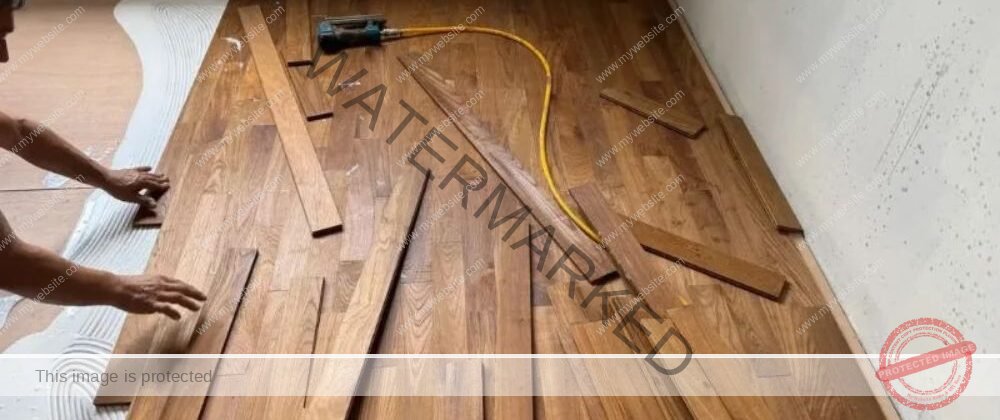
Engineered wood flooring is another. Good installation lays the boards correctly. Great installation accounts for expansion gaps, subfloor moisture levels, and acclimatisation time before a single board goes down, details that only matter once the room has lived through a full year of seasonal humidity swings.
Outdoor decking tells a similar story. Good decking looks solid when it’s finished. Great decking accounts for drainage, ventilation underneath the boards, and fixings that won’t corrode or loosen after repeated exposure to rain and heat.
How to actually tell the difference beforehand
Since you can’t see five years into the future, a few signals help separate good contractors from great ones before work even starts.
- They ask about conditions you haven’t mentioned: drainage, existing moisture issues, how a space is actually used day to day
- Their quote explains what’s included in preparation, not just the visible finish
- They’re willing to explain why a cheaper approach might cause problems later, rather than just matching a competitor’s price
- Past projects they show you have held up well after several years, not just in photos taken the week they finished
None of this guarantees perfection. But it shifts the odds considerably in your favour.
Conclusion
The honest answer is that good and great work often cost close to the same upfront. The difference shows up later, in repairs, premature wear, or a renovation that simply ages better than expected. Spending more time vetting who you hire, rather than comparing quotes on price alone, is usually the cheapest insurance in a renovation project.
Frequently asked questions
How can I tell if a contractor does great work before hiring them?
Ask detailed questions about preparation and past projects, and look at work that’s several years old rather than freshly finished photos.
Does great workmanship always cost more?
Not always upfront, though it sometimes reflects more time spent on preparation and problem-solving rather than materials alone.
What’s the most common sign of poor workmanship?
Visible shortcuts at transitions and edges, where one material meets another, tend to reveal problems first.
How long should good renovation work last before issues appear?
Quality work in areas like painting, flooring, and outdoor decking should generally hold up well for five years or more with normal care.
Is it worth paying more for an experienced tradesperson?
Usually, since experience tends to reduce the risk of costly repairs or redoing work later on.