

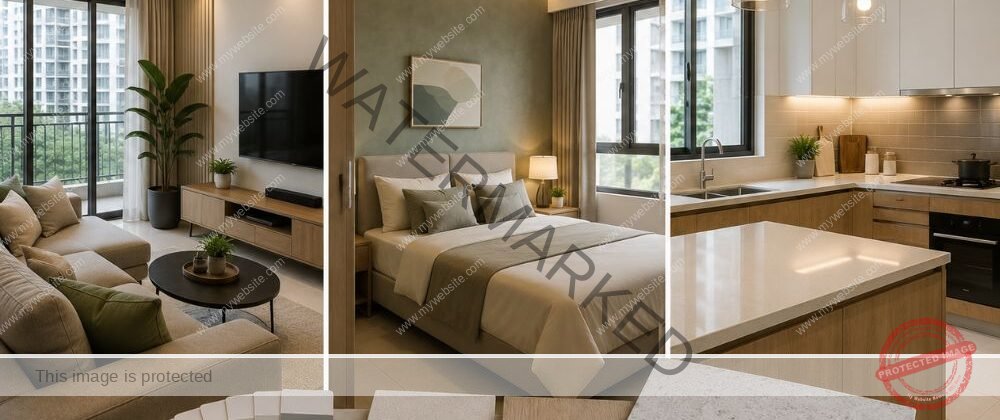
Choosing the Right Finish for Living Rooms, Bedrooms, and Kitchens
The finish you choose for interior walls affects far more than appearance. It influences how a room feels day to day, how easily it can be kept clean, and how well the surface holds up in Singapore’s humid climate. In many HDB flats and condominiums, spaces are compact and natural light can be limited, which makes paint performance matter as much as the colour and texture.
Residential painting plays a vital role in transforming house interiors into comfortable, beautiful spaces. When it comes to choosing the Right Finish for Living Rooms, Bedrooms, and Kitchens, washable surfaces, textured options, careful colour selection, feature walls, and low-odour paints each play a distinct role. Matching them correctly to living rooms, bedrooms, and kitchens helps create interiors that stay comfortable, look considered, and remain easy to maintain over time.
Washable versus Textured Finishes in Detail
Washable paints are formulated so that everyday marks can be cleaned without damaging the surface. They resist scuffing from furniture, fingerprints around light switches, and the general wear that appears in busy households. In living rooms and hallways, where walls are frequently brushed against, a good washable finish keeps the surface looking fresher for longer. In kitchens, the ability to wipe away cooking residues and splashes is especially useful.
Textured finishes, including the Suzuka limewash textured paint, are gaining popularity in many Singapore homes. It creates a different visual effect. The subtle surface variation adds depth and softens the look of the wall. These finishes can also help disguise minor imperfections in the plaster that might show more clearly under a flat paint. Because the texture holds dust and marks more readily, they are generally better suited to lower-traffic areas such as bedrooms or a single feature wall. Cleaning requires more care; aggressive wiping can flatten the texture over time.
Many homeowners successfully combine both. Main walls receive a washable finish for practicality, while one selected wall is given a textured treatment to add character. This approach balances daily usability with visual interest and works particularly well in open-plan living and dining areas.
Colour Choices That Work in Compact Singapore Spaces
Colour has a strong influence on how large or enclosed a room feels. In smaller HDB and condominium layouts, lighter tones are usually more forgiving. Soft neutrals, warm whites and gentle greys reflect available light and help the walls recede, creating a greater sense of space. These colours also form a flexible background for furniture and artwork that may change over the years.
Cooler tones tend to feel calmer and can make a room appear slightly more open. Warmer tones add a sense of cosiness and work well in rooms that receive less natural light. Living rooms that open onto a balcony or receive strong afternoon light often suit mid-tone neutrals that hold their appearance under changing conditions. Bedrooms generally benefit from softer, restful shades that support relaxation. Kitchens can take slightly cleaner or brighter tones that reinforce a sense of order and freshness.
Lighting in Singapore homes changes noticeably throughout the day. Morning light, harsh midday sun, late afternoon warmth, and evening artificial light can all alter how a colour appears. For this reason, testing sample patches on the actual walls is strongly recommended. Observing the samples at different times of day gives a far more reliable impression than choosing from a small card under shop lighting.
Feature Walls That Add Interest Without Reducing Space
A feature wall remains one of the most effective ways to give a room personality without overwhelming a compact layout. In a living room, it is often placed behind the main seating or on the wall that holds the television. In a bedroom, the wall behind the bed is the natural choice. In a kitchen, a feature wall can define a dining corner or the area above a side counter.
The critical point in smaller Singapore homes is restraint. One well-executed feature wall is usually sufficient. Using a deeper shade, a subtle texture, or a carefully chosen complementary tone creates focus while the remaining walls stay lighter. This contrast draws the eye without making the room feel smaller or busier. When the feature wall is too strong or too many walls compete for attention, the space can quickly feel closed in.
The finish on the feature wall can differ from the rest of the room. A textured treatment or a richer colour on one surface, paired with washable lighter walls elsewhere, often produces a balanced and considered result.
Odourless Options for Family Homes
Many modern interior paints are formulated to be low-odour or nearly odourless. This characteristic is particularly valuable in occupied homes. Families with young children, elderly members, or anyone sensitive to strong smells benefit from reduced disruption during and after painting.
Low-odour systems allow rooms to be returned to normal use more quickly. They also make it easier to paint one room at a time while the household continues to live in the rest of the home. These paints are available in both washable and standard finishes, so there is no need to sacrifice practicality for comfort. In bedrooms and children’s rooms especially, the combination of low odour and a suitable finish is worth prioritising.
Matching Finishes to Living Rooms, Bedrooms and Kitchens
Living rooms
These spaces usually see the highest traffic. A washable finish in a light to mid-tone neutral provides a practical and flexible base. One feature wall can introduce character while the remaining surfaces stay easy to maintain. Consideration should also be given to how the room connects with any adjacent balcony or outdoor light.
Bedrooms
The priority is usually a calm atmosphere. Softer colours and, where desired, a textured finish on the wall behind the bed can create a more restful environment. Low-odour paints are a thoughtful choice, particularly in rooms used by children or anyone who spends long hours there. Washability is still useful on walls that may receive occasional marks, but the overall emphasis can shift toward comfort and appearance.
Kitchens
Moisture, cooking residues, and frequent cleaning place higher demands on the surface. Washable finishes in clean, light tones are generally the most practical solution. They withstand wiping and help the room feel fresh. Feature treatments are best kept limited so that the space remains functional and easy to look after.
Making a Confident Choice
The most successful interiors result from matching finish, colour and performance to the way each room is actually used. Lifestyle, existing furniture, natural light and the need for easy maintenance all influence the final selection. A clear conversation about these factors helps narrow the options and avoid choices that look appealing in isolation but prove less suitable in daily life.
At DeCraftsmen Company, we help homeowners select interior finishes that suit their home outlook. We advise on the practical differences between washable and textured surfaces, suggest colours that suit compact spaces and lighting, and recommend low-odour systems where they will make a meaningful difference. A free colour consultation is available if you would like guidance tailored to your rooms and how you use them.
Frequently Asked Questions
What is the main advantage of washable paint?
It allows regular cleaning without damaging the surface. This makes it especially practical for living rooms, kitchens, hallways, and other areas that receive frequent use.
When is a textured finish a better choice?
Textured finishes, including Suzuka paint coatings, work well on feature walls or in bedrooms where visual depth is desired, and heavy cleaning is less frequent. They can also help disguise minor surface imperfections.
How do light colours help in small Singapore flats?
They reflect more available light and create a greater sense of space. This effect is particularly useful in compact HDB and condominium layouts where natural light may be limited.
Can I use a feature wall in a small living room?
Yes. One carefully chosen feature wall adds interest and focus without making the room feel smaller, provided the other walls remain lighter, and the contrast is kept controlled.
Are odourless paints suitable for all rooms?
They are particularly helpful in bedrooms, children’s rooms, and any space that needs to be occupied again quickly after house painting. They can be used throughout the home when low disruption is a priority.
Should kitchens always use washable paint?
Washable finishes are strongly recommended for kitchens because they handle moisture, cooking residues, and frequent cleaning more effectively over time.
How important is testing colours on the actual wall?
Very important. Light conditions in Singapore homes change throughout the day. Sample patches observed in morning, afternoon, and evening light give a far more accurate impression than a colour card alone.
What is included in a free colour consultation?
We review your rooms, the existing light conditions, and your preferences, then suggest finishes and colours that suit both the space and the way each room is used.